
Regional guide
Understanding New York
New York has its own licensing regime, some of the strictest firearm rules in the country and a city that changes every few blocks. A plan that works elsewhere often fails here. This page explains why, and how we work within it.
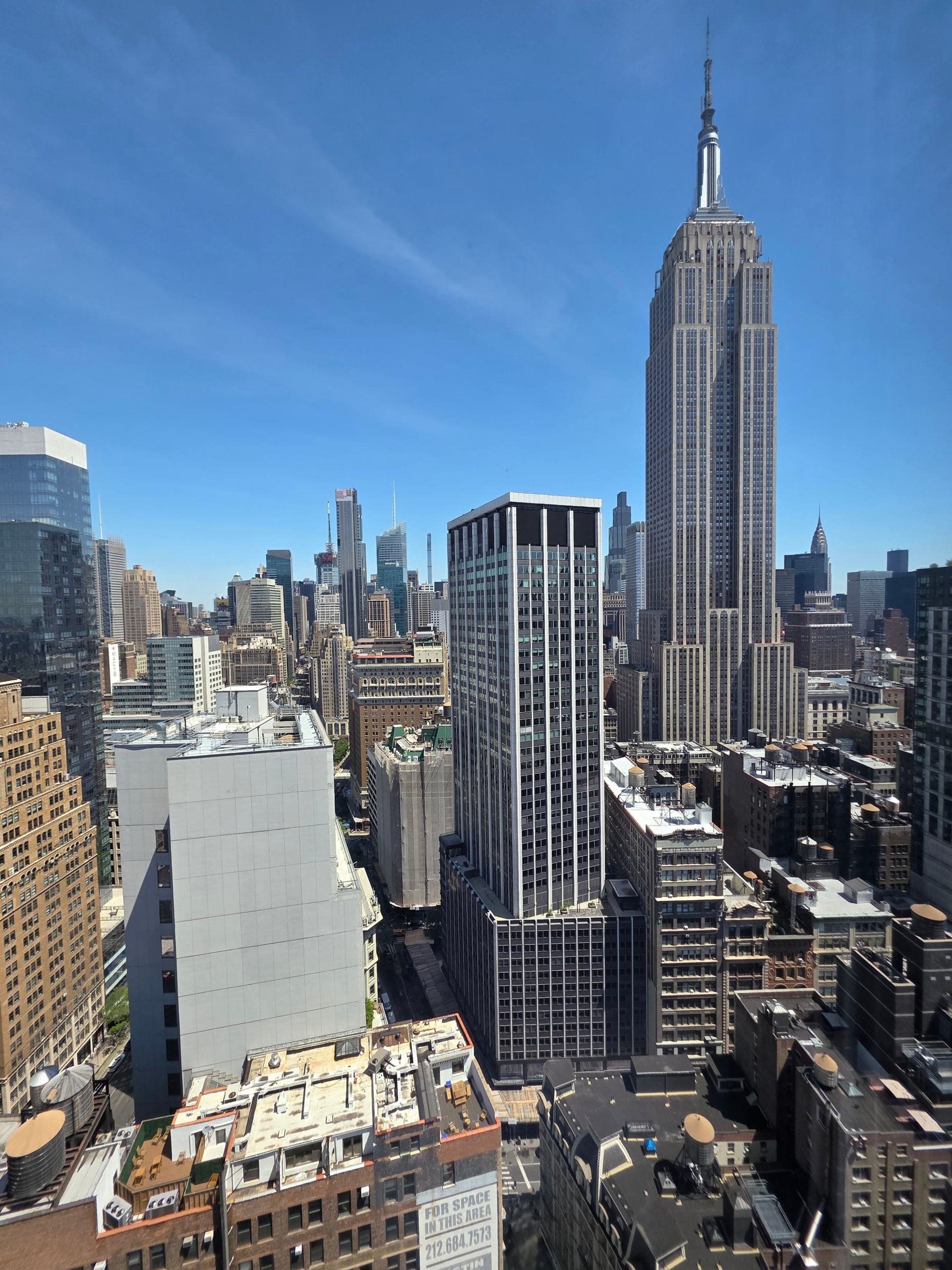 Urban Shield / RegionNew York
At a glance
The rules in New York
| Regulator | New York State Department of State, Division of Licensing Services |
|---|---|
| Governing law | General Business Law Article 7 (private investigators and watch, guard or patrol agencies) and Article 7-A (the Security Guard Act) |
| Our license | NYS-DOS PI #11000241773 |
| Guard training | 8-hour pre-assignment course, 16 hours of on-the-job training within 90 days of employment, and an 8-hour in-service course each year |
| Armed guards | 47-hour firearms course, a valid New York pistol license, and 8 hours of firearms training each year |
How we operate here
- A New York State license held directly by our company
- Personnel registered and trained to New York standards
- Advance coordination with building management and local authorities
- Armed coverage only where it is lawful, licensed and justified
- Programs that follow clients between New York and California

The complexities
What makes New York different
Licensing is state-specific, with no shortcuts
A security or investigative license from another state carries no weight in New York. Agencies must hold a New York license, and every security guard must be registered with the Department of State and complete training approved by the Division of Criminal Justice Services.
For a client, the practical point is simple. Ask any provider for its New York license number and verify it with the Department of State. A team flown in from another state without New York credentials is working outside the law, and that exposure becomes yours.
Firearms rules are among the strictest in the country
Armed work in New York requires a New York pistol license on top of the armed guard registration. New York does not honor carry permits from other states. New York City adds its own layer: a license issued elsewhere in the state is generally not valid in the five boroughs without the approval of the NYPD License Division.
State law also bars firearms from a long list of sensitive locations, and that list covers many places where clients live and work. For these reasons we never assume an armed detail is the answer. We assess whether armed coverage is lawful and necessary for each assignment, and we build strong unarmed and covert options.
New York City is its own operating environment
Manhattan protection is done largely on foot and at the curb. Traffic, restricted parking, crowds and constant construction mean that vehicle movements need more planning and more time than in any other American city. Events such as the United Nations General Assembly bring street closures and frozen zones that reshape a day.
Buildings have rules of their own. Co-op and condominium boards, managing agents and unionized building staff control who may work on the premises, when, and with what insurance. We coordinate with them in advance, so a residential team or a visiting detail is expected and approved.
Privacy, recording and screening law
New York permits a conversation to be recorded when one party to it consents, which differs from California. Hidden cameras and other surveillance in private spaces are restricted by the state's unlawful surveillance statutes. Every investigative assignment is planned inside those limits.
Background screening is tightly regulated. Employers must follow the federal and New York fair credit reporting laws, Article 23-A of the Correction Law on applicants with conviction records, and in the city the Fair Chance Act and the limits on employment credit checks. Our reports are prepared with those rules in mind.
From the city to the East End and upstate
Many New York families move between a city residence, a house on the East End of Long Island and properties in Westchester or the Hudson Valley. The risks shift with the season and the setting, from dense urban buildings to large properties with long response times. We plan coverage that moves with the family, with consistent people and procedures across locations.
This page is a general overview for clients and is not legal advice. Laws and regulations change. Confirm current requirements with the regulator or your counsel before relying on them.
Planning security in New York?
Tell us where you live, work or are travelling. We will explain what the rules allow and what we recommend.