
Regional guide
Understanding California
California is our home state. It pairs detailed licensing rules with some of the strongest privacy and employment laws in the country, across a territory that runs from dense city blocks to wildfire country. This page explains what that means for a security program.
 Urban Shield / RegionCalifornia
At a glance
The rules in California
| Regulator | California Department of Consumer Affairs, Bureau of Security and Investigative Services (BSIS) |
|---|---|
| Governing law | Private Security Services Act, Business and Professions Code section 7580 and following |
| Our license | CA PPO #122310 (Private Patrol Operator) |
| Guard training | Power to arrest and appropriate use of force training before registration, 32 hours of further skills training within six months, and 8 hours of continuing training each year |
| Armed guards | A separate BSIS exposed firearm permit with range qualification, in addition to the guard registration |
How we operate here
- A California Private Patrol Operator license, held since our founding in the Bay Area
- Officers registered and trained to BSIS standards
- Programs for technology companies, corporate offices and luxury residences
- Armed coverage only where it is permitted, licensed and justified
- Programs that follow clients between California and New York
The complexities
What makes California different
Licensing runs through BSIS
Companies that provide contract security in California must hold a Private Patrol Operator license, and every officer must hold a BSIS guard registration, known as a guard card. Companies that employ their own security staff are regulated under a separate proprietary security framework.
Verify any provider on the Bureau's public license search before you sign. The license number should appear on contracts, advertising and uniforms, and it should belong to the company you are actually hiring.
Armed work is tightly controlled
Carrying a firearm on duty requires a BSIS firearm permit tied to specific calibers, backed by initial training and recurring range qualification. A personal concealed carry license does not replace it. Batons and chemical agents each require their own training certificate.
Because of the liability involved, we treat armed coverage as a decision to be justified by the assessment. Many assignments are better served by well-trained unarmed agents, sound procedures and good technology.
Privacy law shapes every investigation
California requires the consent of all parties before a confidential conversation is recorded, the opposite of the New York rule. State law also restricts the use of electronic tracking devices to follow a person and gives residents broad rights over their personal data.
Background checks are governed by the state's investigative consumer reporting law and the Fair Chance Act, which limits when and how an employer may consider conviction history. Los Angeles and San Francisco add local fair chance rules. We design screening and investigative work to comply with each of them.
Employers have a workplace violence duty
Since July 2024, most California employers must maintain a written workplace violence prevention plan, train employees on it, keep a violent incident log and review the plan regularly. The requirement came from Senate Bill 553 and sits in the Labor Code.
A security provider can do much of the practical work: assessing sites, identifying hazards, advising on procedures and supporting threat cases when they arise. We help clients turn the requirement into a working program.
One state, several different environments
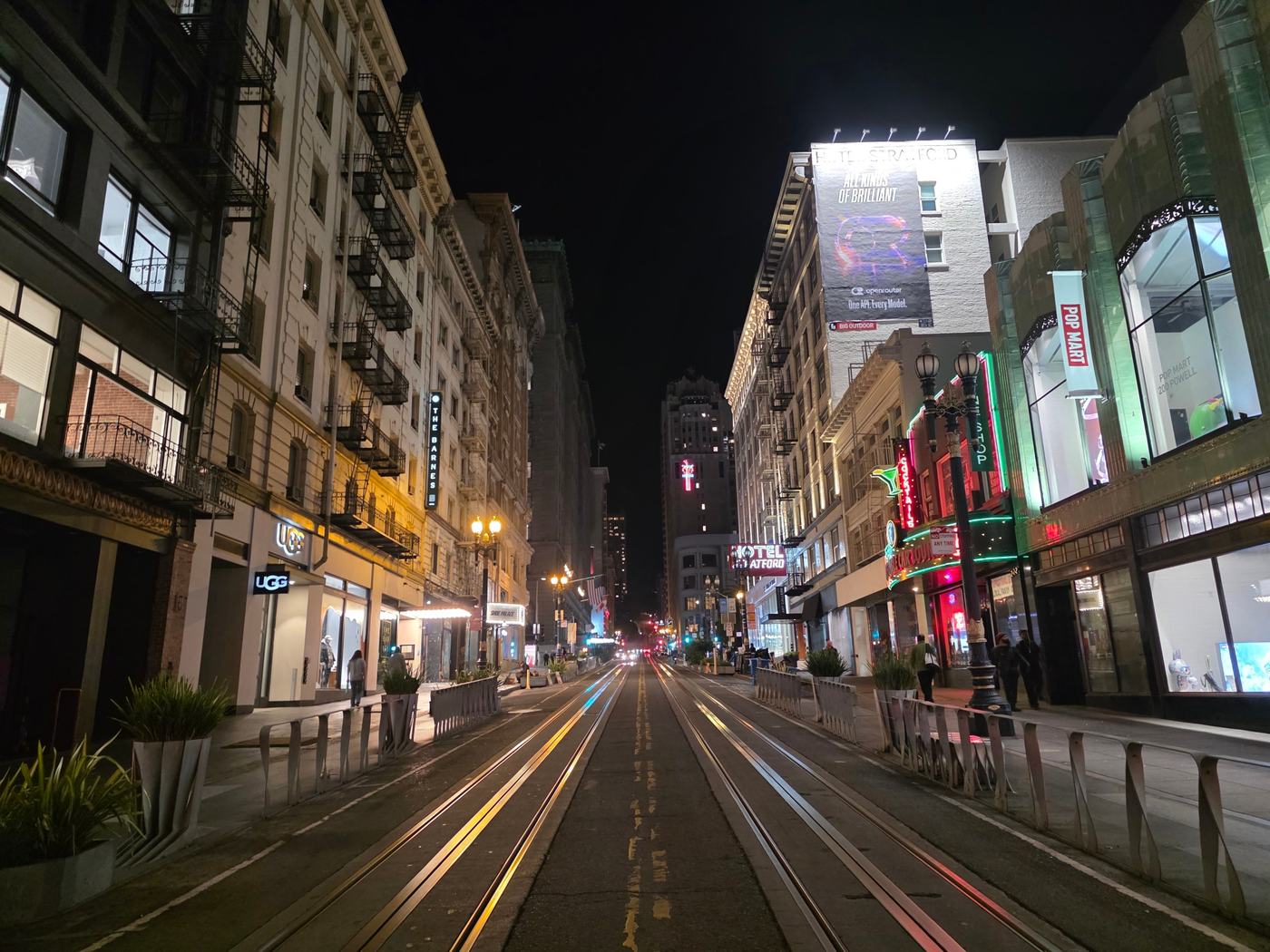
The Bay Area and Silicon Valley combine open corporate campuses, high-profile founders and persistent property crime. Los Angeles adds entertainment, public visibility and hillside estates with limited access roads. Elsewhere, wildfire, earthquake and power shutoffs are part of residential planning.
We plan for the region as well as the client. That means evacuation routes and backup power for a hillside home, campus access design for a growing company, and travel planning for principals who split their time between Northern and Southern California.
This page is a general overview for clients and is not legal advice. Laws and regulations change. Confirm current requirements with the regulator or your counsel before relying on them.
Planning security in California?
Tell us where you live, work or are travelling. We will explain what the rules allow and what we recommend.